Table of Contents
- What You'll Need Before Moving Heavy Furniture
- Moving Heavy Furniture Through Narrow Doorways and Hallways
- Safe Lifting and Handling Techniques
- Navigating Building Rules and Elevator Reservations
- Best Tools for Moving Heavy Furniture Efficiently
- Hiring Professional Movers for Small Moves
- Protecting Your Furniture and Apartment During the Move
- Common Mistakes to Avoid
- Frequently Asked Questions
Last Updated: October 11, 2026
Moving heavy furniture between Bay Area apartments presents unique challenges: narrow doorways, tight hallways, elevator restrictions, and building move-in windows. The right approach makes the difference between a smooth move and costly damage.
What You'll Need Before Moving Heavy Furniture
Gather the right equipment before moving. The difference between proper tools and improvising is often the difference between success and a damaged couch stuck in a stairwell.
Essential items: furniture sliders (reduce friction), moving blankets (protect surfaces), a dolly rated for your furniture's weight, moving straps, and a tape measure for exact dimensions before moving through doorways.
Heavy furniture demands equipment support. A dolly protects your back and apartment walls.
Moving Heavy Furniture Through Narrow Doorways and Hallways
Narrow doorways and hallways are where most apartment moves fail. Bay Area's older buildings have doorways designed before modern furniture sizes became standard.
Tilt furniture at 45 degrees and feed it through diagonally, starting with one corner and rotating slowly. For items wider than your doorway, disassemble: remove table legs, take apart bed frames, and detach sofa arms when possible.
Protect doorframes and walls with cardboard or moving blankets. Damage charges often exceed professional help costs, so prevention matters more than speed.
Coordinate with your building for elevator access during designated move windows. Bay Area buildings typically require advance notice and restrict moves to specific hours.
Safe Lifting and Handling Techniques
Improper lifting causes back injuries (the CDC). Bend at your knees, keep your back straight, and let your legs do the work, they have the largest muscle groups in your body.
For two-person moves, establish signals before lifting ("On three, we lift together"). Lift in unison, keep the load close to your body, and maintain a stable stance.
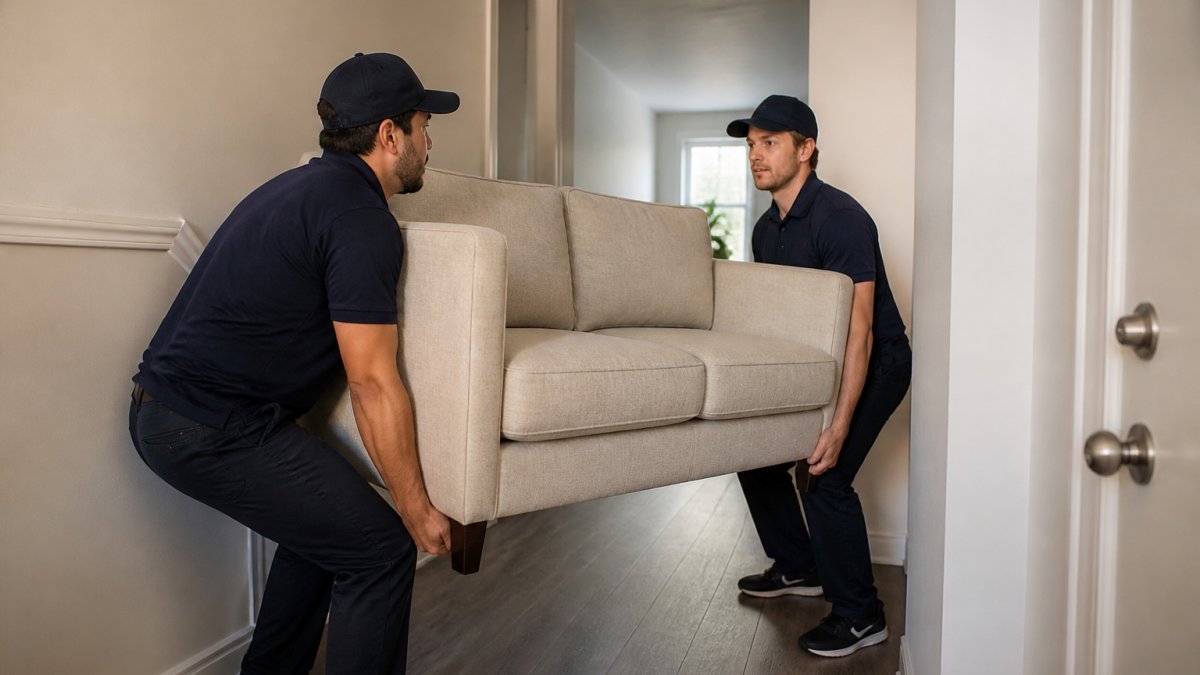
Carry heavy items like queen mattresses vertically when possible to reduce footprint. Use a dolly for horizontal items to eliminate lifting and allow one person to move what would require two.
Take breaks between moves. Fatigue increases injury risk and decreases precision, causing more damage to walls and doorframes.
Navigating Building Rules and Elevator Reservations
Every Bay Area building has move-in policies that vary widely and impact cost and timing. Understanding these rules prevents conflicts, unexpected fees, and cancellations.
Contact management at least three weeks before your move. Most buildings require written notice and provide a move-in packet. Request this information in writing:
- Move-in windows and blackout dates. Many buildings restrict moves to weekday hours (9 a.m.-5 p.m.) or prohibit weekend/holiday moves. Document restrictions in writing to avoid disputes.
- Elevator reservation requirements and fees. Buildings charge $50-$200 per day or require $100-$300 deposits (refundable if no damage). Confirm whether reservations are online or by phone, and whether waiting lists apply.
- Loading zone and lobby protection rules. Many buildings require cardboard or plywood protection and prohibit furniture on lobby floors. Some charge $25-$75 for materials or require you to provide your own.
- Insurance and contractor requirements. Request a Certificate of Insurance from hired movers before booking. Buildings typically require $1 million minimum coverage. Independent labor-only services may lack insurance, leaving you liable for damage.
- Stairwell access and restrictions. Confirm whether furniture can be moved through stairs and whether additional fees apply. Some buildings prohibit stair use during certain hours.
- Move-out inspection timing. Clarify whether inspection occurs immediately after move-out or if you have a grace period. This affects your timeline for damage documentation.
Book elevators early. Desirable dates (Friday-Sunday, early morning, month-end) book 4-6 weeks in advance. Weekday moves typically have 2-3 week lead times. Set a calendar reminder for when reservations open (often 60 days in advance).
Document your apartment's condition before and after the move. Take timestamped photos of all walls, floors, doorframes, and existing damage in both apartments. Email photos to yourself and building management as a dated record. This protects you if the building charges for damage you didn't cause.
Understand move-related damage liability. Most leases hold tenants responsible for move damage. Verify hired movers' liability insurance covers your belongings and the building. If damage occurs, document it and file a claim within 30 days. For building damage, notify management in writing.
Plan for building staff coordination. Arrive 15 minutes early to confirm elevator access and discuss any last-minute restrictions. If your building has a loading dock, confirm availability and whether separate reservation is needed.
Best Tools for Moving Heavy Furniture Efficiently
A furniture dolly is the single most important investment. A 4-wheel dolly rated for 1,000 pounds costs $50-100. For tall items or awkward centers of gravity, an appliance dolly with straps provides better control.
Furniture sliders ($10-20 per set) eliminate friction on hardwood floors. Place them under furniture legs and slide items without lifting, ideal for dressers, tables, and entertainment centers.
Moving blankets ($30-60 per set of four) protect furniture and walls from scratches and impact damage.
A furniture dolly with straps, moving blankets, sliders, and a hand truck cover most apartment moves. Specialty equipment is rarely necessary.
Hiring Professional Movers for Small Moves
Understanding service types and matching your move to the right option saves money and prevents frustration.
Three service models exist for apartment moves:
Labor-only services provide movers for 2-4 hours without a truck at $60-$100 per hour per mover. A two-person, three-hour move costs $360-$600. Best for same-building moves, short distances (under 5 miles), or when you have a vehicle.
Partial-service companies provide movers and a truck at $80-$150 per hour plus mileage ($50-$150 each way). A three-hour move with 5 miles of travel costs $400-$700. Best for moves between different buildings or when you lack a personal vehicle.
Full-service moving companies handle packing, loading, transport, and unloading at $2,000-$8,000+ for local moves. Rarely cost-effective for apartment-to-apartment moves unless moving an entire household or specialty items (pianos, artwork, antiques). They carry comprehensive liability insurance.
Match your move to the right service:
- Same-building moves: Labor-only service avoids truck rental costs. Budget 2-3 hours.
- Short-distance moves (under 10 miles): Partial-service movers provide best value. Budget 3-5 hours.
- Difficult access (stairs, no elevator): Labor-only services with stair experience are essential. Expect 50% higher rates ($90-$150 per hour).
- Specialty items (antiques, glass, artwork): Full-service movers are worth the cost for insurance and specialty equipment.
Verify insurance before booking. Request a Certificate of Insurance showing $1 million minimum coverage, the building as additional insured, and coverage for property damage and bodily injury.
Get written quotes from at least two services. Provide exact addresses, item list with weights, whether stairs are involved, preferred date/time, and whether you need packing. Avoid phone estimates without seeing your furniture.
Understand common pricing variables:
- Stair charges: $50-$100 per flight or $25-$50 per item. Confirm before booking.
- Elevator wait time: $25-$75 for extended time (rare but should be disclosed).
- Long carry fees: $50-$150 if building entrance is 50+ feet from truck.
- Minimum hours: Most charge 2-4 hour minimum. Confirm before committing.
- Damage waiver: Optional $50-$150 coverage for accidental damage.
Read reviews specific to apartment moves. Generic moving company reviews may not reflect apartment-move experience.
Book at least two weeks in advance for labor-only services and three weeks for partial-service movers. Popular services in the Bay Area book up quickly, especially for weekend moves.
Protecting Your Furniture and Apartment During the Move
Damage prevention requires planning before the move begins. Wrap furniture in moving blankets, use plastic wrap on upholstered items, and secure all drawers and doors with painter's tape. Disassembled items like bed frames should have hardware stored in labeled bags and taped to the corresponding piece.
Protect your apartment by laying cardboard or plywood on floors in high-traffic areas. Elevators and hallways take the most abuse. Cardboard is cheap insurance against scuffs and damage that would otherwise reduce your security deposit.
Cover doorframes and walls with cardboard or moving blankets. Even with careful technique, items occasionally contact walls. A few dollars in cardboard prevents hundreds in damage charges.
For valuable or fragile items, consider specialty packing. Mirrors, artwork, and glass tabletops need more protection than standard blankets provide. Specialty boxes, foam corners, and custom padding are worth the investment for items you care about.
Document everything with photos before and after the move. This protects you if the building later claims damage you didn't cause. Your photos provide evidence of the apartment's condition and your care during the move.
Common Mistakes to Avoid
The biggest mistake is underestimating furniture dimensions. Measure twice, measure diagonally, and verify doorway widths before moving day. A 10-minute measurement prevents hours of frustration and potential damage.
Don't skip the dolly to save money. Carrying heavy furniture causes back injuries that cost far more than equipment rental. Professional movers use dollies for every move because they prevent injury and damage.
Avoid moving during peak hours in your building. Early morning or midweek moves encounter fewer conflicts with other residents and building staff. Your move will be faster and less stressful.
Don't ignore building rules. Moving without required reservations or during prohibited hours can result in fines or lease violations. The few minutes spent confirming policies prevent much larger problems.
Finally, don't attempt moves that exceed your capability. If furniture doesn't fit through doorways after reasonable effort, stop and reassess. Forcing items causes permanent damage and creates liability issues with your landlord. Professional help costs less than damage repairs and security deposit disputes.
Moving heavy furniture between apartments doesn't have to be stressful. The right preparation, equipment, and approach make the process manageable. If you're facing a move in the Bay Area and want professional support, Curbside Movers provides fast, affordable help with background-checked movers who understand apartment logistics.
Frequently Asked Questions
What is the safest way to move heavy furniture alone?
Moving heavy furniture alone carries significant injury risk. If you must attempt it, use equipment like furniture sliders, dollies, and straps to minimize lifting. Slide rather than lift when possible, keep items close to your body, and bend at the knees. For anything over 50 pounds or awkward shapes like sofas and mattresses, seriously consider hiring help. Professional movers have the training and equipment to prevent back injuries and property damage that often cost more than the service itself.
Do I need to reserve a service elevator for my apartment move?
Yes, most Bay Area apartment buildings require elevator reservations for moves. Check your lease and building rules at least two weeks ahead. Many buildings have specific move windows, charge reservation fees, and require liability insurance or a damage deposit. Contact your building management to confirm requirements, get the reservation form, and understand any restrictions on move times. Failing to reserve can result in move delays, fines, or denial of access.
How do you move heavy furniture through narrow apartment hallways?
Measure doorways and hallways before moving day. Disassemble furniture when possible (remove legs, detach shelves). Angle large pieces diagonally and use furniture sliders to reduce friction. Move slowly and have spotters guide you through tight spaces. Protect walls with cardboard or moving blankets. If pieces won't fit through the space even at angles, some professional movers can remove and reinstall windows or doors, though this adds cost and time.
Is it better to hire professional movers for heavy furniture?
For apartment moves involving heavy items like sofas, beds, and desks, hiring professional movers often saves money and stress. They have proper equipment, insurance coverage, and experience navigating tight spaces and building logistics. A single injury or damaged item can exceed mover costs. Professional services also handle coordination with building management and elevator reservations, reducing your hassle on moving day.